Showing posts with label transformation kit. Show all posts

Sunday, May 6, 2012

Week 6 - Cinch Diet Plan - Missing 20 pounds!

Progress: 20 lbs. lost in 6 weeks - Cinch Diet Plan

Cinch Inch Loss Diet Plan Works!Started this Cinch Inch Loss Diet at 244lbs. Today: 224lbs. Almost 40% through the diet plan (4 months or 16 weeks).

And went down a waist size (at least.) Starting to see the 6-pack under that surface fat showing up. (Always knew they were there, just well insulated...)

As I mentioned in an earlier post, I'd shifted into a different diet and work activities. But dropping 8 pounds in a week is something new. (232lbs. last week.)

Again, what I did was to lower my calorie intake and boost my calorie burn rate. Less food, more exercise. And I still have plenty of energy for everything I want to do. Quite a bit of a difference. This seems to give me anecdotal support to the idea that all the fat you are carrying around is really just slowing down your metabolism. So the more fat you burn off, the easier it is to burn off more fat. (And so the easier it is to keep it off.)

And it meant I became familiar with what hungry was. Not ravenous, just knowing that I could eat - but didn't have to. I touched on this concept slightly in that last post, but could say more in this area. 

To my mind, a person has to be in touch with their body enough to know what thirst, hunger, and tiredness really are. And solve each according to its needs, not substituting something else. I've heard before that people eat when they are actually thirsty. And people toss back stimulating energy drinks when they are tired. You are really just putting extra calories away which will more likely turned into fat - which again slows you down.

My ideas at this point:

  • When you're thirsty, drink water.
  • Be hungry before every meal. If you aren't hungry, don't eat. Eat just enough to satisfy your hunger: don't overeat to feeling "stuffed". 
  • When you're tired, either sleep or nap. Get up when you are rested or refreshed. 

Of course, this can play hob with any schedule. (It helps that I freelance and farm the rest of the day. I am my own boss.)

This is exactly why I took on the Cinch Transformation Challenge. I'll be seeing exactly what 4 months of this diet can do for a person. Since I blog, I'll keep this whole scene (mostly) going as a blow-by-blow. Or hope to, at any rate. 

I wanted to see if this stuff worked. It didn't hurt that I can always send back the empty boxes and get a full refund - no questions asked. So there was literally nothing to lose. Plus I got in on the special offer of the last month free - so it's a discount you can't pass up.

Again, what I changed this last week was the above. Especially in the afternoon and evening, if I wasn't hungry, I put off eating. Instead of eating the full meal bar, I'd eat half and save the remainder until later or the next day. Your snack bars are basically half of a meal bar. And different flavors. So that's another option. Oh, and the fruit I was eating in the evening was oranges. (Banana's have a higher fat content.)  This fills the need for "food" toward the evening - and the general rule is to eat essentially nothing after dinner. A low calorie fruit fits here. (I imagine celery would be another great option.)

My meals now are these:

  • Breakfast is a Cinch Shake with a banana. (Occasionally, I throw in some cinnamon or use a different shake flavor - can't wait until our garden-fresh strawberries come in later this summer - and our peaches...)
  • Mid morning snack (after farm chores) is my (big) mug of coffee with honey. And a peanut butter/jelly half-sandwich on whole wheat.
  • Lunch is whatever, but I just watch the portions and keep it heavy on vegetables and lighter on meat portions.
  • Afternoon is a tall iced glass of tea (kinda dilutes the Cinch Tea, but the flavor still comes through, as well as the energy it gives.) When I feel like it (about 3 hours or so later), I'll have a Cinch snack bar.
  • Dinner is depending on how much I want to eat. It's becoming more of a half Cinch meal bar - or even none, if that snack bar was late enough in the day. (Eat only when you're hungry, remember?)
  • Anything after dinner time (or within 3 hours before sleeping) is fruit - oranges.

And we'll see how this goes next week. I see my energy staying higher than before and I'm more interested in taking on various projects now which I was putting off due to lack of energy before. (I'm even considering tidying up and organizing the barn, it's gotten that extreme...) I'm not expecting to keep dropping 8 pounds a week - I figure that it's going to plateau at some level where my input and output match. Target right now is to get under 200lbs (I graduated high school at 185, mostly muscle, so that would be a good level to regain.)

Just hoping your diet is going as smoothly. Cheers!

Saturday, April 14, 2012

Diet Plans: How your "Sugar Belly" is slowly killing you off

Diet Plans: Our Addiction to Sugar is our fat creator

Sugar is the stuff our beer bellies are made from.What makes any diet plan hard to keep, and what makes our extra fat to begin with are one and the same. Sugar.
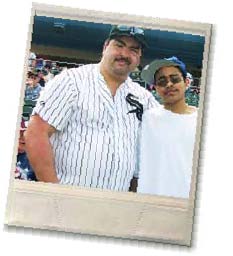
This one flavoring and additive is also what sells us the fast food, treats, and so on that is causing all out pre-diabetic conditions. However, we are the ones who buy this stuff, so don't think I'm going to get on a rant about the big, bad, corporate evils out there. Our bellies and thighs are what we did to ourselves. Even if your family has a heredity factor for being heavy-set - if you know about it, you can do something about it.

My sister brought me an article the other day that actually got me to stop everything until I'd read it completely through. (Rare in these days of Internet video's and scanning web pages.) I had gone for a blood screening our local Cattleman's Association put on (before I started this diet) and we were both stumped on what "triglycerides" were in the results. (They roughly measure sugar content in your blood.) This article was an eye opener.

I searched around and found it on Free Online Library, almost exactly like it was published. And I want to take some excerpts in review of it below (emphasis added):

Beer belly can give you higher risk of diabetes, high blood pressure, and gout.You've heard of a beer belly. Now there's new evidence that the fructose in added sugars may send more of your extra calories to that bulge where your waist used to be.
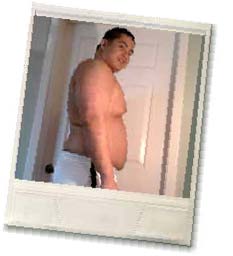
For years, researchers have found a higher risk of type 2 diabetes, heart disease, high blood pressure, high triglycerides, gout, and weight gain in people who consume more sugar-sweetened beverages. Now a flurry of new
studies suggests that our out-of-control sweet tooth is connected to our out-of-control belly fat.

And it's that kind of fat that may cripple the body's ability to use insulin, setting the stage for diabetes and heart disease.

Soft drinks, sports drinks, fruit drinks, energy drinks, coffee drinks, cupcakes, cookies, muffins, doughnuts, granola bars, chocolate, ice cream, sweetened yogurt, cereal, candy. The list of sweet temptations is endless.

The average American now consumes 22 to 28 teaspoons of added sugars a day--mostly high-fructose corn syrup and ordinary table sugar (sucrose). That's 350 to 440 empty calories that few of us can afford.

How much added sugar is too much? Cutting back to 100 calories (6 1/2 teaspoons) a day for women and 150 calories (9 1/2 teaspoons) a day for men might mean slimmer waistlines and a lower risk of disease.

This is the key point. Look over what you are eating and see how much of it has been "sweetened". Tons of the stuff in almost everything we eat. And the "funny" part is that we've now been conditioned to think (Westernized) that food is supposed to be sweet all the time.

Deep Belly Fat (Visceral) is created by too many sweetened drinks.Clearly, too many calories from anything--sugary beverages, beer, burgers, fries, pizza, ice cream, or dozens of other foods--explains why many American waists have been replaced by a spare tire.

And studies haven't found that you'd gain more pounds from, say, 100 calories of added sugars than from 100 calories of other foods. But calories from fructose (which is found only in added sugars and fruit) may be more likely than other calories to aim for your waist.

To find out if fructose is destined to end up around your midsection, researchers compare fructose to glucose (which is found in added sugars but is also the building block of starches).

The first solid evidence came in 2009. Researchers gave 32 overweight or obese middle-aged men and women 25 percent of their calories from beverages sweetened with either fructose or glucose for 10 weeks. Both groups gained the same weight (about three pounds). But their new fat didn't all go to the same place.

"We saw an increase in visceral fat in people fed fructose," says study author Kimber Stanhope of the University of California, Davis.

Visceral (deep belly) fat is more closely linked to a higher risk of heart disease and diabetes than subcutaneous (just
below the skin) fat.

That's the rub. This deep belly fat is what is increasing our chances of getting heart disease and diabetes.

Studies into diabetes and sugary drinks also lead to cardiovascular disease findings.The link between diabetes and sugars is clearest when researchers look at sugary drinks.

"We summarized the results from eight studies," explains Harvard's Vasanti Malik. All told, the meta-analysis pooled
data on more than 300,000 people. (14) The results: "For each 12 oz. serving of a sugarsweetened beverage you drink per day, you're getting about a 15 percent increased risk for diabetes," says Malik. "So it really doesn't take much to increase your risk."

"Fewer studies have looked at cardiovascular disease," she observes. "But we found an increased risk."

When Malik and colleagues tracked 88,000 nurses for 24 years, those who consumed at least two sugar-sweetened beverages a day had a 35 percent higher risk of heart attack than those who drank less than one a month.

Sugar-sweetened-beverage drinkers also have a higher risk of the metabolic syndrome, which can lead to type 2 diabetes or heart disease. (14,16) (You have the metabolic syndrome if you have at least three of the following:

elevated blood sugar, blood triglycerides, blood pressure, or waist circumference, or low HDL cholesterol.)

If you thought this was bad, it's not just the deep belly fat we have to worry about - it's also the fat we're putting in our liver from all these over-sweetened foods.

...[T]he people who drank a liter a day of sucrose-sweetened cola didn't just have more visceral fat. Their liver and muscle fat more than doubled. ...

Why does liver fat matter? When the body stores fat anywhere but in fat cells, it's called "ectopic" fat. And ectopic fat, especially in the liver, means trouble.

"When liver fat levels go up, that may trigger the sequence of events that leads to insulin resistance," says Stanhope.

That's when insulin loses its ability to admit blood sugar into cells. It's often the first step on the road to diabetes or heart disease. The liver may also explain why fructose leads to higher levels of triglycerides.

"Fructose gets metabolized by the liver very quickly," says Welsh. "When there is more sugar than the liver can process, it converts the sugar to fat. Some of the fat goes into the bloodstream, and that's why we get elevated triglycerides."

What's more, in Stanhope's study, the fructose drinkers burned less fat (and more carbohydrate). "The body doesn't make fat and burn fat at the same time," she explains.
"In our study, fat oxidation got blocked every time people drank the fructose drink because that fructose is getting turned into fat."

Here's the bottom line - the more sugar you eat, the less the body has to digest and so it stores it all as fat. That fat (both deep belly and liver types) is actually preventing your body from normal function. So you are setting yourself up for illnesses and chronic diseases which will make your retirement a living hell on earth. (No wonder health insurance is so high.)

The point is that you are better off taking control of your life and living with a decent diet to begin with. Preventative medicine is where all this is heading. All the pills and surgeries are useless when you've already wrecked your health with lack of good choices and self-control.

Cinch diet plan can wean you off a sugar-loaded lifestyle - to get your health back.So I continue with my Cinch diet plan. It's not easy, but it's effective and as good as they can possibly make it. Yes, all these shakes and teas and meal bars have some sort of sweetener in them to make them taste "good". However, the point with these is that you now are learning to eat less with your portions and be aware of the calories you are putting in your body. Since the diet shakes fill you up, plus the supplements give you the energy you need, you don't need to be constantly snacking and keeping "diet" drinks around.

As this Cinch Transformation scene continues, I'm finding out more and more about myself and how these things tend to work. I'm also finding out more about how the conventional wisdom of this society we live in is slowly decreasing our life spans.

Of course, and as usual, I don't expect you to take my word for all this. It's more that you need to do your own research.

And if you are really interested, I'd suggest you try the Cinch Starter Kit and see how these shakes and bars and such agree with you. 2 weeks worth, plus the measuring tape, odometer, and what not. If you like it, take the Transformation challenge.

Up to you - like everything in your life.

More information about the Cinch Inch-Loss Diet Plan can be found as linked below: